
 Parrot Blog
Chestnut Macaw Nutrition Guide: From Wild Diet to Scientific Feeding
What do wild macaws eat? Introducing the nutritional requirements of Chestnut Macaws and practical feeding methods based on the latest research.
 Naviary
Introduction
"Is pellets enough?"
This is a common concern for many parrot owners.
The short answer is: "Nutritionally," pellets can be enough. However, considering various factors, pellets alone are insufficient. On the other hand, feeding only seeds, nuts, and vegetables can also lead to problems.
So, how do wild macaws live and what can we learn from their diet?
Today, I’ll introduce nutrition management for Chestnut Macaws based on several research studies and papers.
What do they eat in the wild?
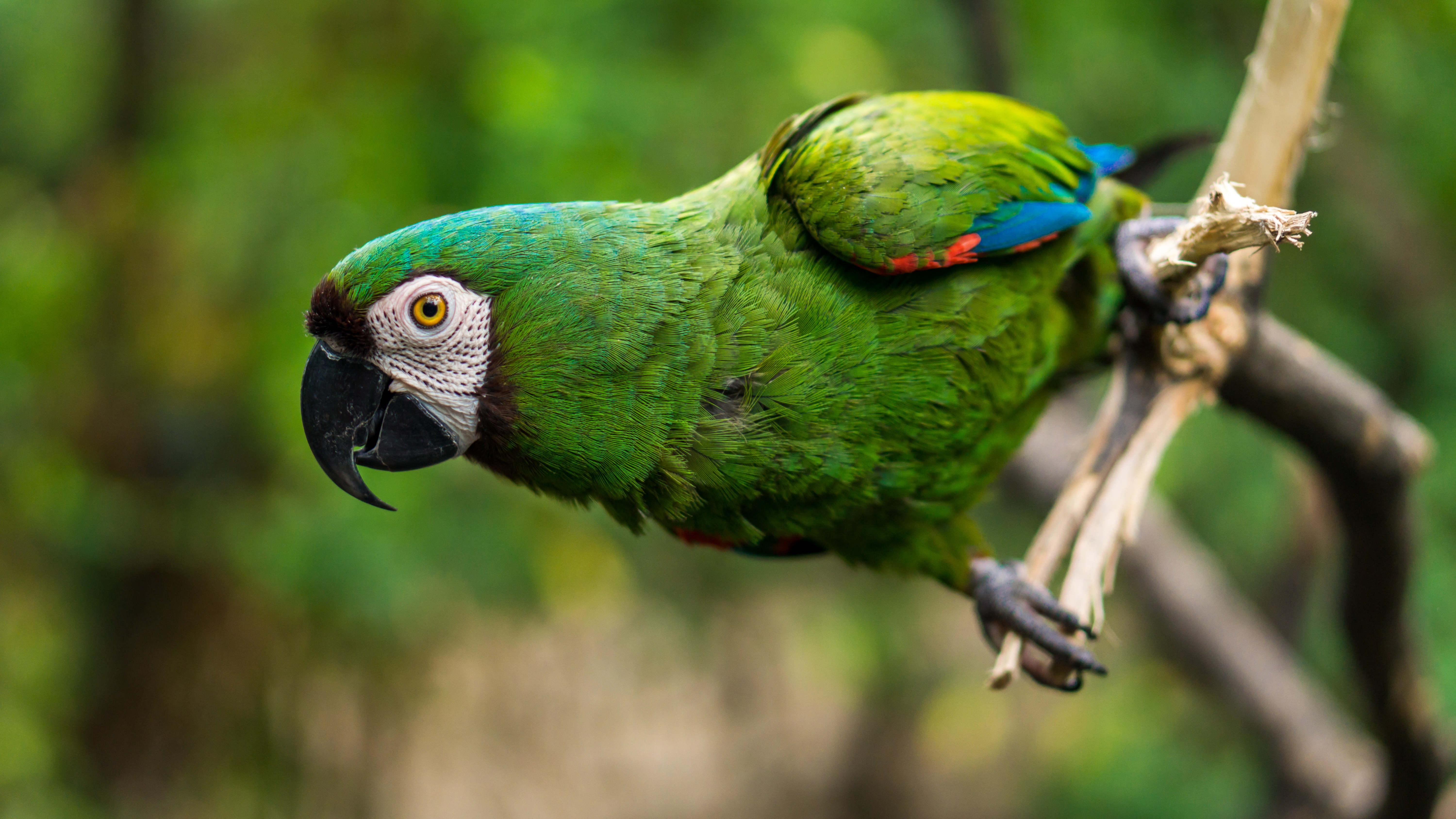
Wild Chestnut Macaw perched on a tree
Observations of 17 parrot species in Peru's Manu National Park and Tambopata Reserve showed they consume 102 plant species, with seeds making up 70% of their diet.
They also eat fruits, flowers, bark, and even insect larvae. A particularly interesting point is that macaws eat toxic plants.
Why do they eat toxic plants?
Toxicity tests using brine shrimp showed that many of the plants macaws eat are fatally toxic to vertebrates. Yet, macaws consume them. Why?
Because they are highly nutritious.
Macaws prioritize plants with high protein, fat, and essential mineral content, even if they are toxic. This distinguishes them from other herbivorous birds that only target the fruit pulp.
How can they eat toxic plants?
While research on how parrots detoxify these substances is still ongoing, there is evidence that they consume clay to perform detoxification within their bodies.
Some studies have also shown significantly higher sodium levels in parrots that consume clay. While the exact mechanism is not yet fully understood, both detoxification and mineral supplementation appear to be important reasons for geophagy (clay eating).
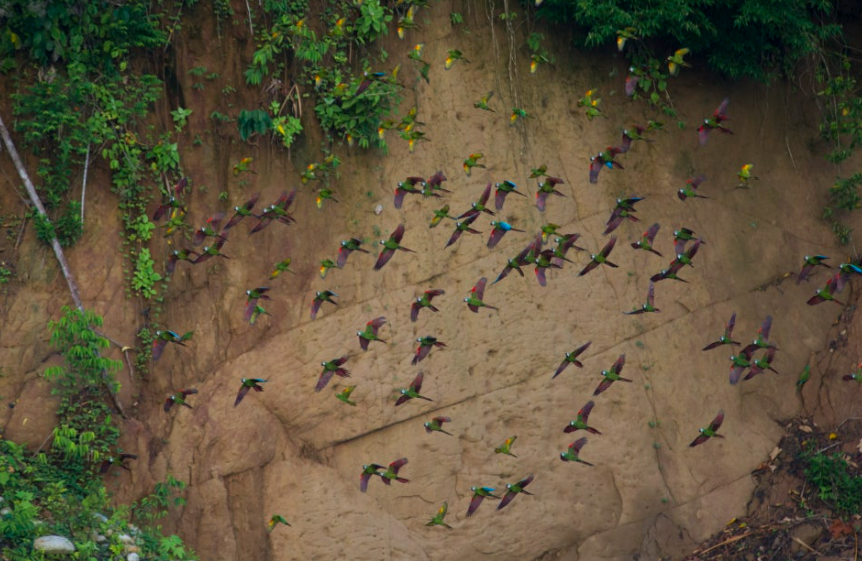
Chestnut Macaw flying after consuming clay at a clay lick in Peru
A study analyzing the crop contents of wild Scarlet Macaw chicks in Peru found clay in 20% of the individuals. Their diet also had a fat content of 29%, which is much higher than commercial hand-feeding formulas.
The food particles were large, coarse, and included hard-to-digest items like bark—about 10 times coarser than commercial pellets.
As macaw chicks grow, their diet changes. Researchers observed a decrease in mineral levels such as sodium, potassium, magnesium, and the calcium-to-phosphorus ratio. This suggests that parents adjust the diet according to the chick's developmental stage.
To summarize the wild macaw diet
Key points include a diet centered on various plants and seeds, high fat content, coarse and large food particles, and sodium supplementation and detoxification through clay.
Now, if seeds are the staple in the wild, should we also feed them primarily seeds and nuts?
Are seeds and nuts alone enough?
"If seeds are the staple in the wild... shouldn't we be feeding them seeds too?" you might wonder.
The answer is no. Hold that thought. There is a major pitfall here.
Nutritional Issues
Nutritional Content of Major Seeds/Nuts (Dry Matter Basis)
| Type | Energy (kcal/g) | Protein | Fat | Carbohydrates | Calcium | Phosphorus |
|---|---|---|---|---|---|---|
| Peanuts | 5.9 | 26% | 50% | 10% | 0.06% | 0.4% |
| Almonds | 6.1 | 21% | 56% | 20% | 0.24% | 0.6% |
| Cashews | 5.8 | 17% | 44% | 28% | 0.04% | 0.5% |
| Sunflower Seeds | 5.9 | 20% | 51% | 19% | 0.13% | 0.9% |
| Sesame Seeds | 6.2 | 28% | 58% | 12% | 0.97% | 0.8% |
| Pumpkin Seeds | 5.8 | 30% | 49% | 16% | 0.05% | 1.2% |
| Walnuts | 6.5 | 15% | 65% | 14% | 0.09% | 0.35% |
| Pistachios | 5.6 | 20% | 45% | 28% | 0.11% | 0.48% |
| Hazelnuts | 6.3 | 15% | 61% | 17% | 0.11% | 0.29% |
Commonly available seeds and nuts are extremely high in fat.
Captive parrots are significantly less active than their wild counterparts. A diet primarily consisting of high-fat foods can lead to fatty liver disease or cardiovascular issues.
Furthermore, research shows that seeds and nuts are very low in beta-carotene (which converts to Vitamin A) and iodine. This can lead to feather issues, lethargy, and in severe cases, diseases like hypothyroidism.
Also, when given a mix of food, parrots tend to pick out only the high-calorie, tasty items, making it impossible to guarantee a balanced nutritional intake.
The Ideal Diet
So, how should you feed them?
70-20-10
We recommend a primary diet of pellets, supplemented with fresh vegetables, fruits, and seeds. This ratio is adjusted for a captive environment based on wild research and nutritional science.
70%: Pellets
20%: Fresh Vegetables
10%: Treats (Fruits, Seeds, etc.)
1. Pellets (70%)
Why should pellets be the main component?
Pellets are made by mixing various ingredients and compressing them into small pieces. Every single pellet contains a balanced mix of all the nutrients a parrot needs.
By feeding pellets, you don't have to worry about nutritional imbalances caused by picky eating. However, nutritional composition varies by brand, so be sure to check the label when choosing pellets.
2. Fresh Vegetables (20%)
Feeding vegetables not only provides vitamins and fiber but also offers psychological satisfaction.
Good vegetables for parrots:
- Broccoli, Chard, Beet Greens
- Rich in Vitamins A, C, and K, and great for fiber.
- Carrots, Bell Peppers, Kale
- High in beta-carotene for antioxidant effects.
- Zucchini, Cauliflower, Beans (boiled, small amounts), Sweet Potato (boiled, small amounts)
- Low-calorie fiber that aids bowel movement and provides satiety.
Vegetables to avoid:
- Onions, Garlic, Scallions, Chives
- Contain thiosulphate (allicin), which can destroy red blood cells.
- Avocado
- Contains persin, a toxin that can be fatal to the heart and respiratory system of most pets.
- Eggplant, Raw Potato, Taro
- Contains solanine, a toxin that can affect the nervous system.
- Seeds of Apples, Peaches, Cherries, and Apricots
- Contains amygdalin, which can affect the respiratory system.
3. Fruits, Nuts, and Seeds (10%)
Most parrots love these because they taste great, but each has its drawbacks.
Fruits
Fruits may seem healthy, but they are very high in water and sugar. The fruits we consume are much sweeter than those found in the wild. Therefore, fruits should only be given in small amounts as occasional treats.
Nuts and Seeds
As mentioned earlier, these are very high in fat. While macaws require higher fat content than other parrots, nuts should still be fed sparingly.
Since captive parrots are less active, high-fat nuts can easily lead to obesity. It's best to use them as rewards during training.
Dietary Enrichment: How you feed is just as important
As important as nutrition is how you provide it. A 2021 study of macaws in a UK zoo compared two ways of providing the same food.
One was finely chopped, and the other was provided whole. The macaws' behavior was then observed.
Macaws given chopped food ate an average of 15.52g, while those given whole food ate 21.66g. More interesting were the behavioral changes. When eating whole food, macaws showed a statistically significant increase in tearing food with their beaks and holding it with their feet, and their resting time decreased significantly.
This prevents boredom, which is common in captive macaws compared to their wild counterparts, and stimulates their sense of touch through foot use.
Additionally, keepers spent an average of 5 minutes and 31 seconds preparing chopped food, but only 38 seconds for whole food—a significant time saver.
The most unexpected discovery was allofeeding.
Allofeeding is the behavior of sharing food with a mate. This behavior increased noticeably when whole food was provided. The researchers concluded that "providing food whole rather than finely chopped can promote social bonding with a mate."
Conclusion
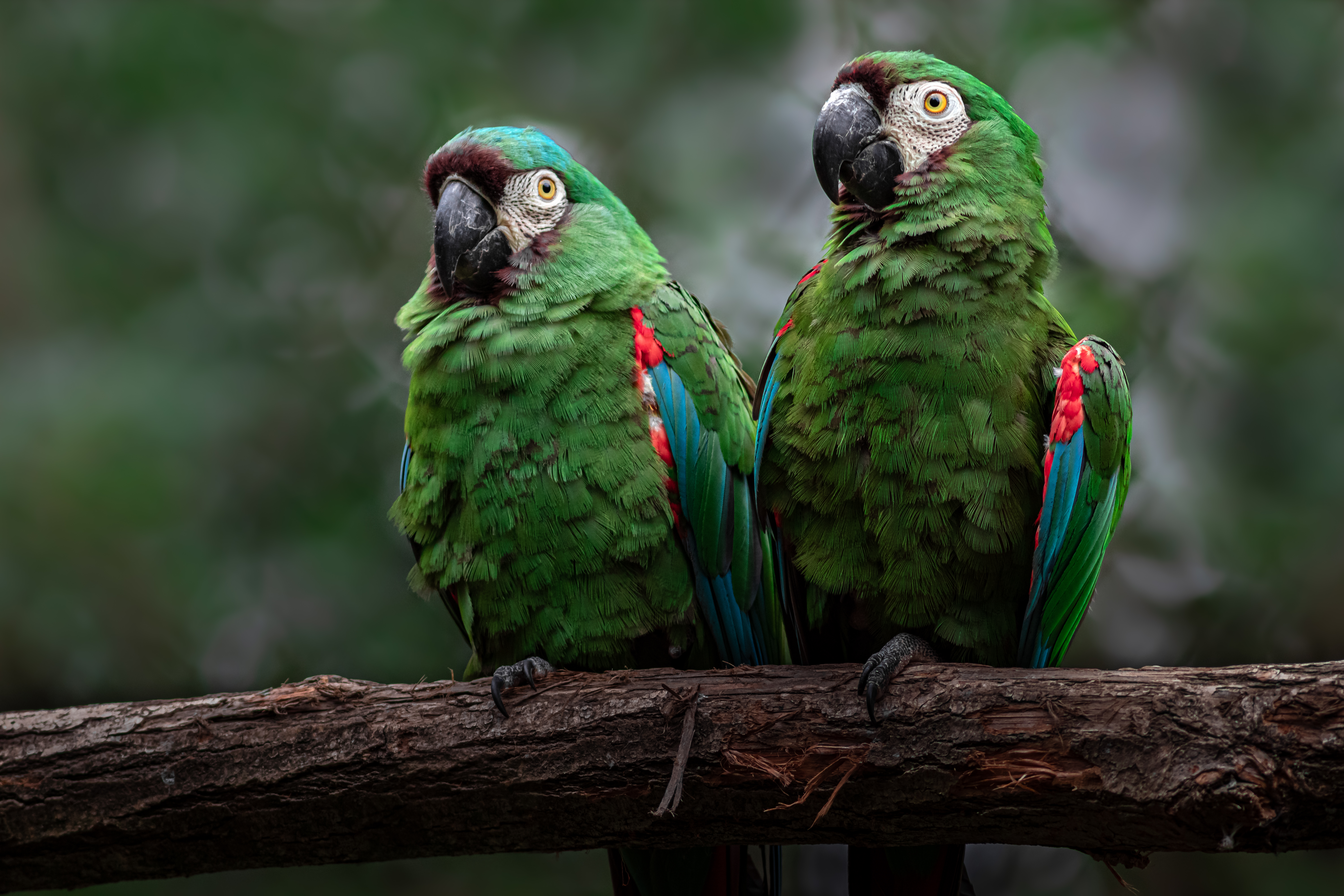
This article was written based on four scientific papers, including studies on crop analysis of macaw chicks, the diet of wild parrots in the Peruvian Amazon, parrot nutrition, and feeding methods in captivity.
The most important takeaway from these papers is this: Wild and captive environments are fundamentally different.
Wild macaws fly kilometers every day, eat toxic plants, and supplement sodium and detoxify by eating clay. Our parrots at home cannot fly that much and are not fed toxic plants.
It is crucial to balance nutrition with pellets, supplement vitamins with various vegetables, and provide dietary enrichment. We are essentially fulfilling the role that nature plays in the wild.
Naviary is dedicated to studying more alongside parrot owners to provide better information for the happiness of parrots.
As a breeding center created by a former software engineer, we strive for transparent, data-driven management, including tracking individual intake and rotating various vegetables for the health and happiness of our parrots.
If you have any questions about nutrition, please feel free to contact us. Let's learn and grow together!
References
-
Brightsmith et al. Nutritional Content of the Diets of Free-living Scarlet Macaw Chicks in Southeastern Peru. (2010)
-
Gilardi & Toft. Parrots Eat Nutritious Foods despite Toxins. (2012)
-
Stahl & Kronfeld. Veterinary Nutrition of Large Psittacines. (1998)
-
James et al. Should zoo foods be chopped: macaws for consideration. (2021)