 Parrot Blog
Naviary's Parrots #2 - Galah Cockatoo
Introducing the Galah Cockatoo at Naviary. We've summarized the features and care points of this species, which has all the charm of a cockatoo and is characterized by its pink body.
 Naviary
Introducing Naviary's parrots
Introduction
Following the Chestnut-fronted Macaw, today I'm going to introduce Naviary's second major species!
Our other main species is the Galah Cockatoo. This bird, characterized by its pink body, is one of Australia's most iconic parrots and is the most recommended species for those new to medium-to-large cockatoos.
Basic Information
Scientific Name and Classification
- Scientific Name: Eolophus roseicapilla
- Common Names: Galah Cockatoo / Rose-Breasted Cockatoo
- CITES: Appendix II (Requires documentation)
- Origin: Australia
Physical Characteristics
- Size: Approximately 35cm
- Weight: Approximately 250~350g
- Lifespan: Approximately 30~45 years
Appearance
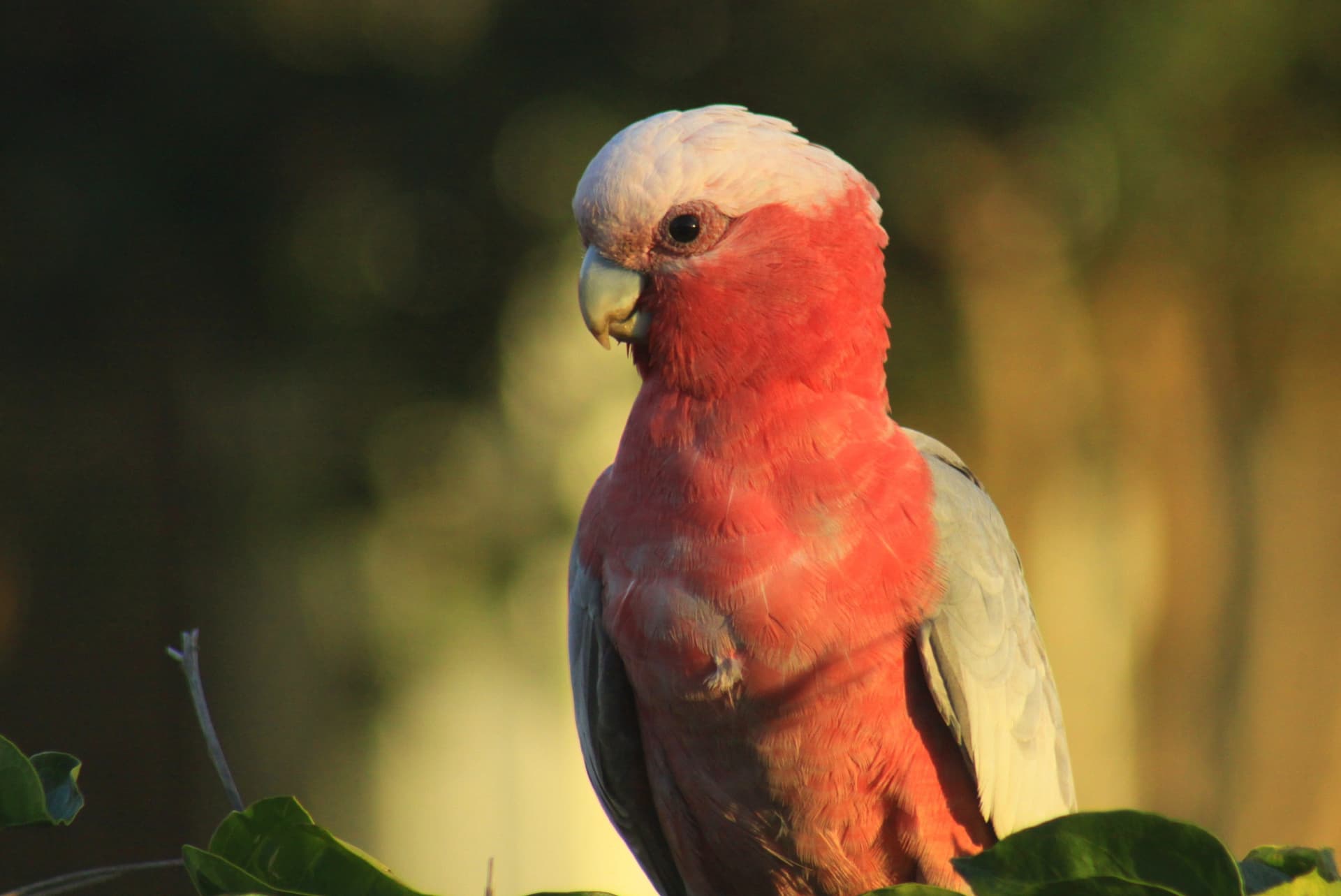
The Galah Cockatoo is a medium-sized cockatoo with a beautiful harmony of pink and gray. The chest and face are a vibrant pink, and the crest feathers on top of the head are a soft pink. Also, the wings and back have a silvery-gray hue. They raise or lower the pink crest on their head depending on their emotional state, which is one of the characteristic features of cockatoos.
Unlike the Chestnut-fronted Macaw, Galah Cockatoos can be distinguished by sex based on their appearance. Of course, it's difficult to distinguish between juveniles and sub-adults, but once they become adults and you look at their eye color, males have dark brown or near-black irises, while females have light brown to reddish-brown (terracotta) irises.
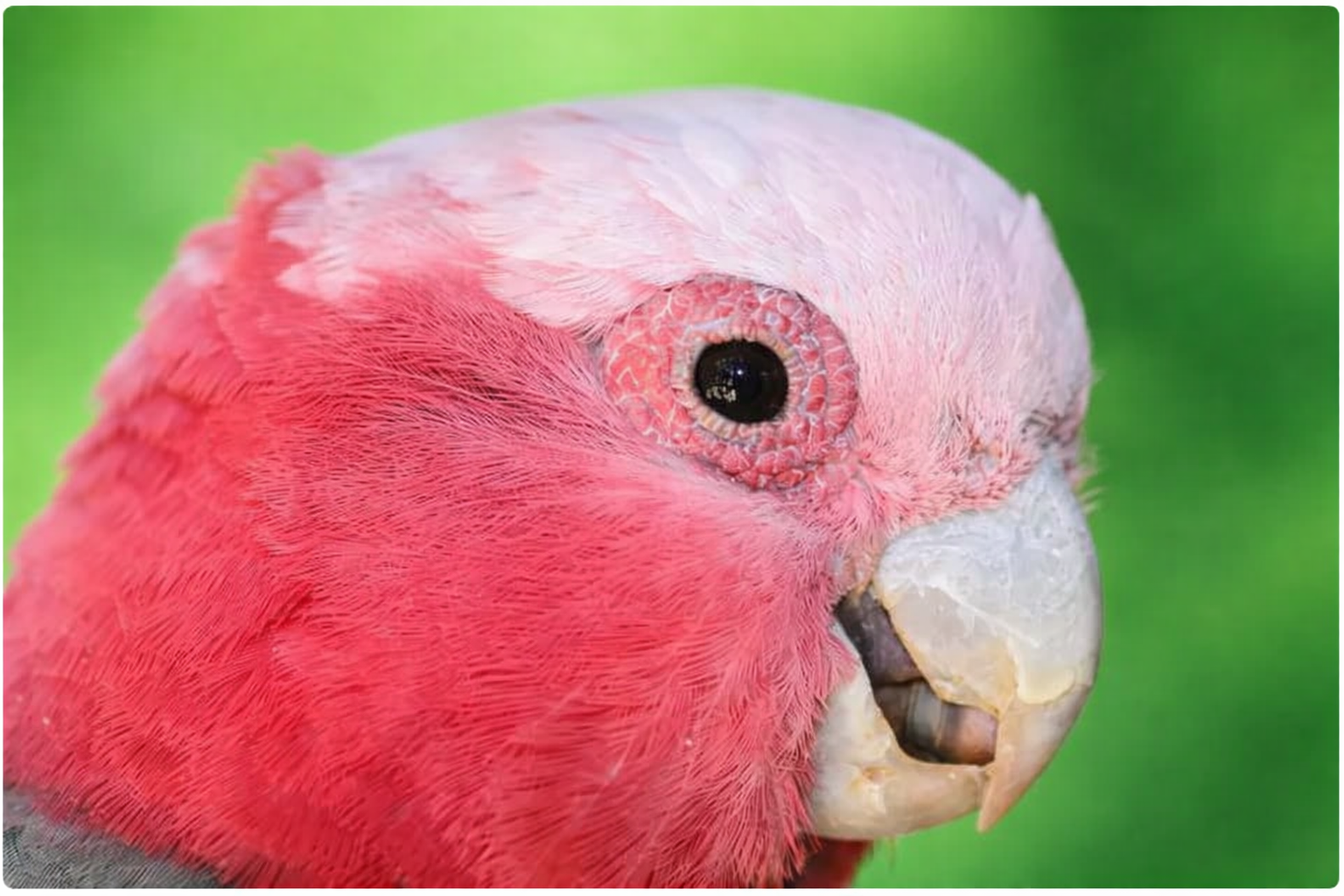 Male
Male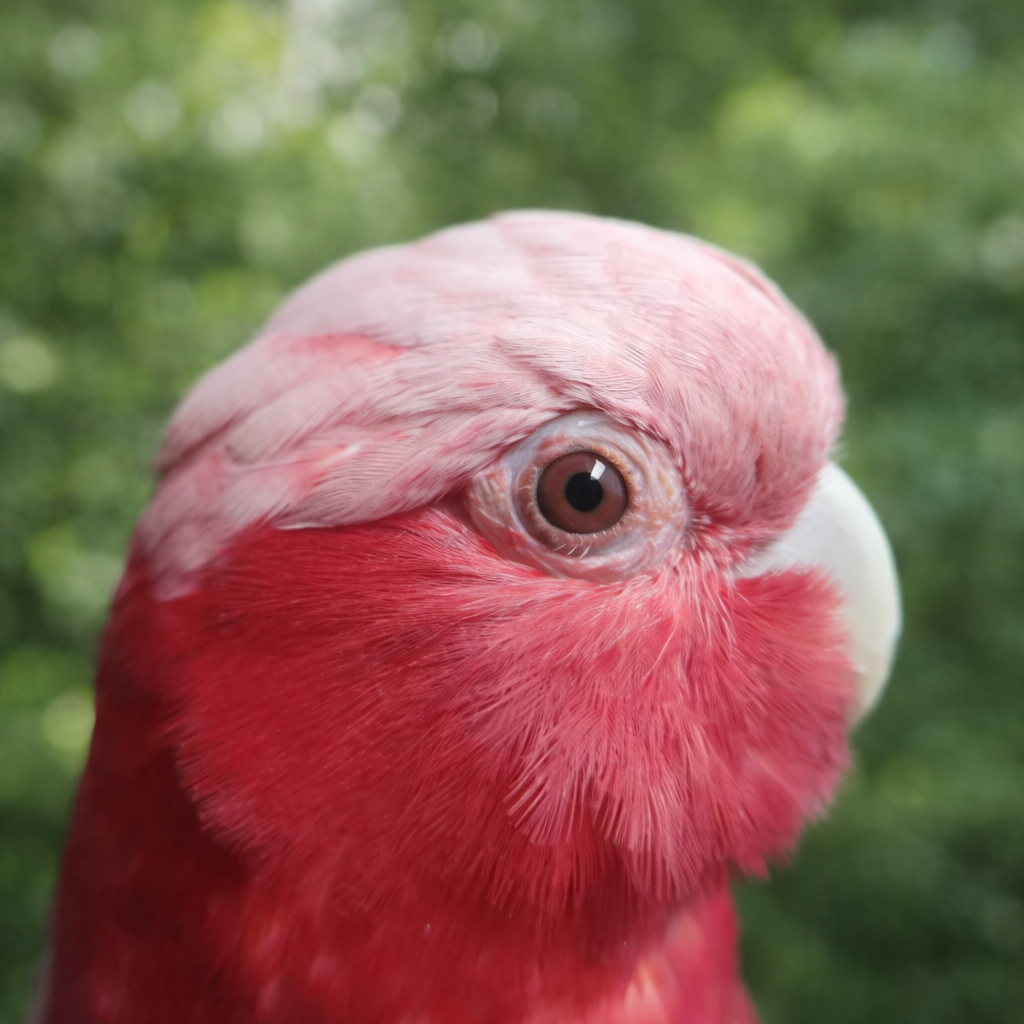 Female
Of course, since there are individual variations, we recommend a DNA test for accurate identification!
The feathers of a Galah Cockatoo are very soft because they produce powder, which is one of the ways cockatoos protect their feathers.
Subspecies
Galah Cockatoos are scientifically classified into three subspecies. They mainly differ in regional distribution, and the morphological differences are not significant.
- Eolophus roseicapillus roseicapillus
- The most common subspecies, found in Eastern and Southeastern Australia.
- Most Galah Cockatoos seen in Korea belong to this species.
- They have pink eye rings.
- Eolophus roseicapillus albiceps
- Found in Western Australia.
- They have a rich pink color overall and near-white eye rings.
- Eolophus roseicapillus assimilis
- Found in Northern Australia.
- The smallest of the three and generally a light pink color.
Mutations
Galah Cockatoos have several color mutations. Let me briefly introduce the two most representative ones!
Lutino
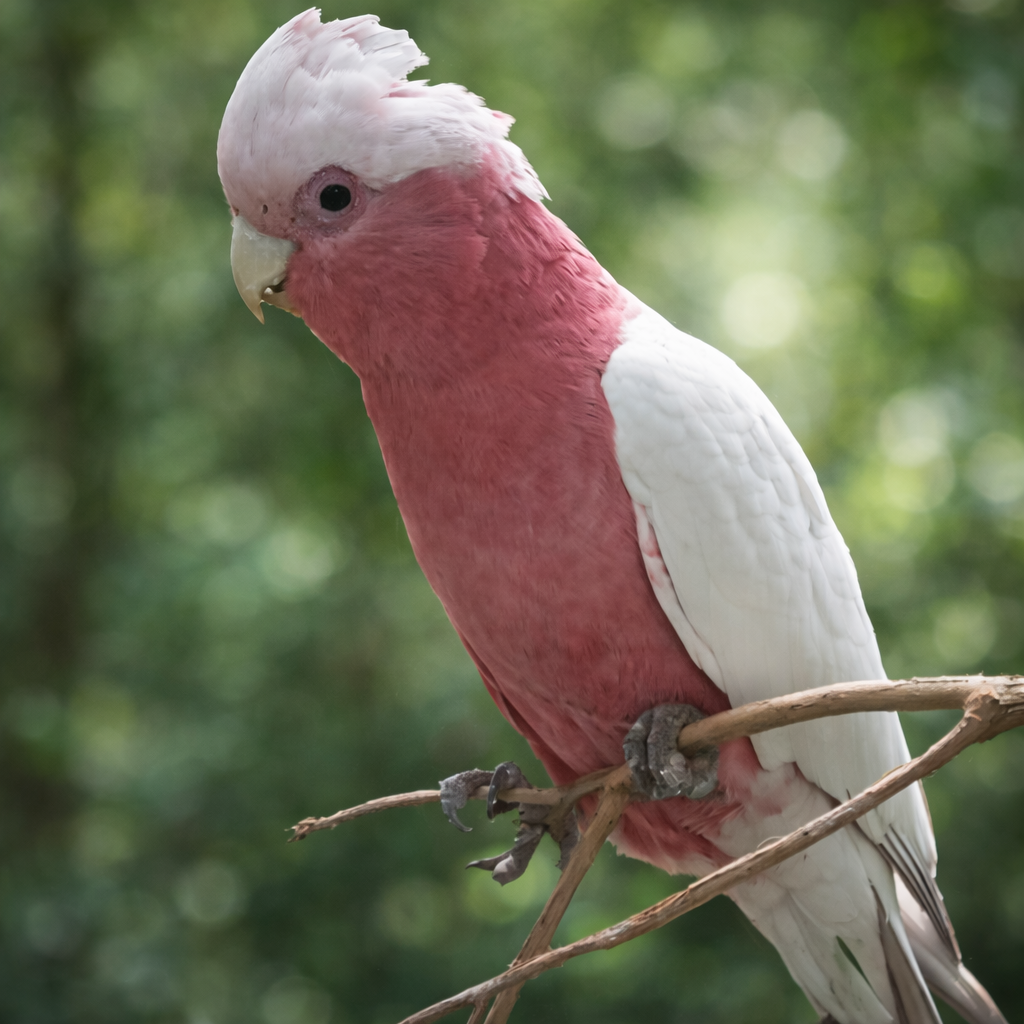
Lutino Galah Cockatoo: The back and wings are white.
A Lutino Galah is an individual where the gray parts have changed to white or cream due to a lack of melanin. The pink color is maintained, but it looks angelic with white wings and back. Lutino Galahs usually have reddish eyes because they lack melanin.
Blue
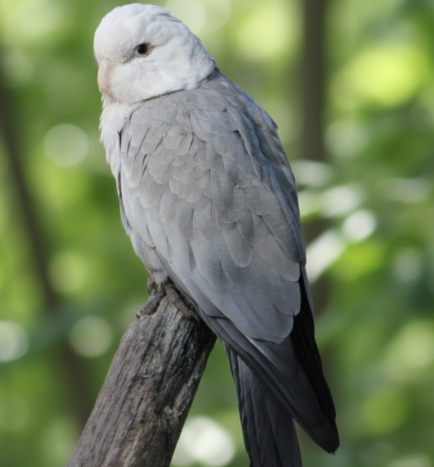
Blue Galah Cockatoo: A mix of white and gray overall, without pink hues.
The Blue mutation lacks psittacofulvin, affecting melanin and structural colors, resulting in the disappearance of pink and a mix of gray and white.
Mutation individuals are rarer and more expensive than normal Galahs. At Naviary, we plan to breed Lutino Galahs and Normal Galahs as our main species under a systematic system.
We'll cover more details about mutations in the future!
Why Galah Cockatoo?
We reviewed several species while preparing the breeding center. Here's why we chose the Galah Cockatoo:
1. Beginner-friendly Cockatoo
To be honest, large cockatoos like Moluccans or Umbrellas have a high difficulty level. They are large, and their screams are equally loud.
Their personalities are also very demanding, making them not easy for beginners to keep. From a breeder's perspective, the level of management is different. Large cockatoos become very aggressive during the breeding season, and if things go wrong, a male might bite and kill a female.
Galah Cockatoos are medium-sized and are relatively docile and easy to manage compared to large cockatoos. Their beaks are also smaller relative to their body size, so they aren't as threatening.
For those who say, "I want to keep a cockatoo, but I heard their temperament is... not easy?", I usually recommend the Galah Cockatoo. Of course, since a cockatoo is still a cockatoo, they are more difficult compared to smaller parrots haha.
2. Excellent Sociality and Affection
Galah Cockatoos love people. A well-socialized individual will run to you, rub their head, raise their crest, dance, and show all kinds of affection.
Their emotional expression, unique to cockatoos, is also rich. They'll raise their crest and dance when happy, and raise their crest and hiss when angry...
However, because they love people so much, they can get anxious if their guardian is not in sight. They might scream as if to say, "I'm here! Why are you leaving me alone!" This is a characteristic shared by almost all parrots.
3. IT-based Genetic Management System
Naviary's breeders worked as software engineers while breeding. That's why we created a genetic management system through our own developed programs using IT technology to conduct systematic breeding.
Unlike our other species, the Chestnut-fronted Macaw, Galah Cockatoos have many color mutations (Lutino, Blue, Cinnamon, etc.). Therefore, we manage color mutations systematically through genetic management.
Furthermore, mutation breeding must always consider ethical issues like genetic inbreeding. Naviary already has systems in place to resolve these issues.

Inbreeding Management System: Calculating inbreeding coefficients and indicating risk levels when selecting a male and female.
Through this, we can systematically breed and offer healthy and diverse mutation Galah Cockatoos in Korea. Especially for Lutino Galahs, precise breeding is possible by accurately calculating the inheritance probability through sex-linked inheritance.
It's not just "offering healthy birds," but "offering scientifically managed healthy birds," which is Naviary's breeding philosophy.
Personality and Features
Personality
Galah Cockatoos are relatively docile and easy to manage compared to other cockatoos. Among cockatoos, they are particularly social and love people. So they love playing together, interacting, and bonding.
Galah Cockatoos are very active parrots and need a lot of activity when kept at home. We recommend letting them fly around the house to some extent and giving them plenty of training!
Galah Cockatoos also have that cockatoo destruction instinct. If you don't provide enough wooden toys or chewable materials... your furniture will be in danger... Also, if boredom lasts too long, they can get stressed and engage in self-mutilation, so enrichment and training should be provided to reduce boredom.
Features
Galah Cockatoos also have the characteristic cockatoo powder. Cockatoos have specialized feathers called powder down, which turn into a dust-like powder as they grow and break down.
This powder is used to maintain feathers, much like the oil glands of other parrots. So, just flapping their wings can release white powder. This powder is advantageous for dealing with rain or humidity in the wild and is very effective for maintaining feather condition.
However, since the powder flies when they flap their wings, it can be a burden for those sensitive to dust or with respiratory issues. You'll need to clean a lot...
Speech and Sound
Wild Galahs make loud, high-pitched sounds when flying in flocks. They still have the characteristic loud cockatoo voice, so they might be difficult to keep in studios or small apartments.
Galah Cockatoos have decent talking ability. They can mimic a few words or short sentences. Their voice is also high-pitched and quite pretty!
Galah Cockatoos are smart birds, so they are good at mimicking sounds like dogs barking or phone rings. Training them to talk will be fun :)
Health and Diet
Like the Chestnut-fronted Macaw, Galah Cockatoos are quite resistant to diseases. However, you still need to be careful of infectious diseases like the four major avian diseases.
The most important thing is obesity!!
Galah Cockatoos are very active parrots in the wild and need a lot of activity at home. Since their activity level at home is significantly lower than in the wild, you must pay attention to their diet.
In particular, a diet consisting mainly of seeds and nuts is a big no-no. Such a diet is high in fat, which can easily lead to obesity complications like fatty liver.
Diet
In the wild, they eat grass, sprouts, flowers, and seeds, and sometimes small insects for extra protein.
When kept at home, it's best to have pellets as the main diet and fresh vegetables as supplementary treats. Fruit is also not bad, but since it's high in sugar, you should give it in moderation.
Nuts should be given only very occasionally as a training reward. Galahs are especially vulnerable to obesity.
I'll post separately about foods that are good to give and foods that should be avoided :)
Summary
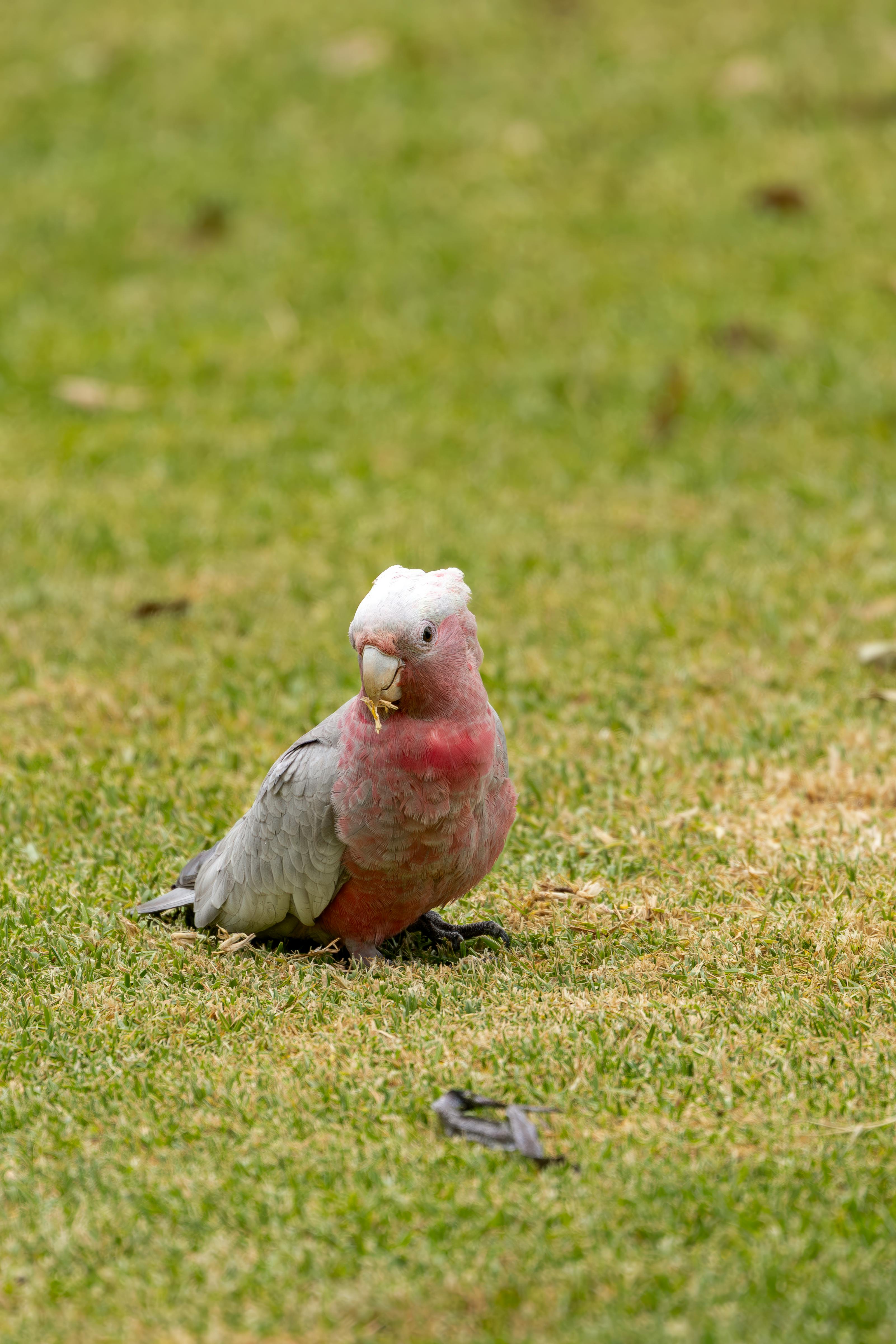
The Galah Cockatoo is a medium-sized cockatoo loved for its pink feathers and social personality. They are small and vibrant parrots recommended for first-time cockatoo owners, and if you adopt one with sufficient preparation, they can be a wonderful companion for over 40 years.
If you want to know more about how to raise a Galah Cockatoo at Naviary, feel free to contact us!