
 Parrot Blog
Galah Cockatoo Adoption Guide: Understanding the Galah's True Personality from the Wild
Based on Behavioural Ecology of the Galah, this guide looks at the social behavior, breeding behavior, and environmental adaptability of galahs, then summarizes what you should know before adoption.
 Naviary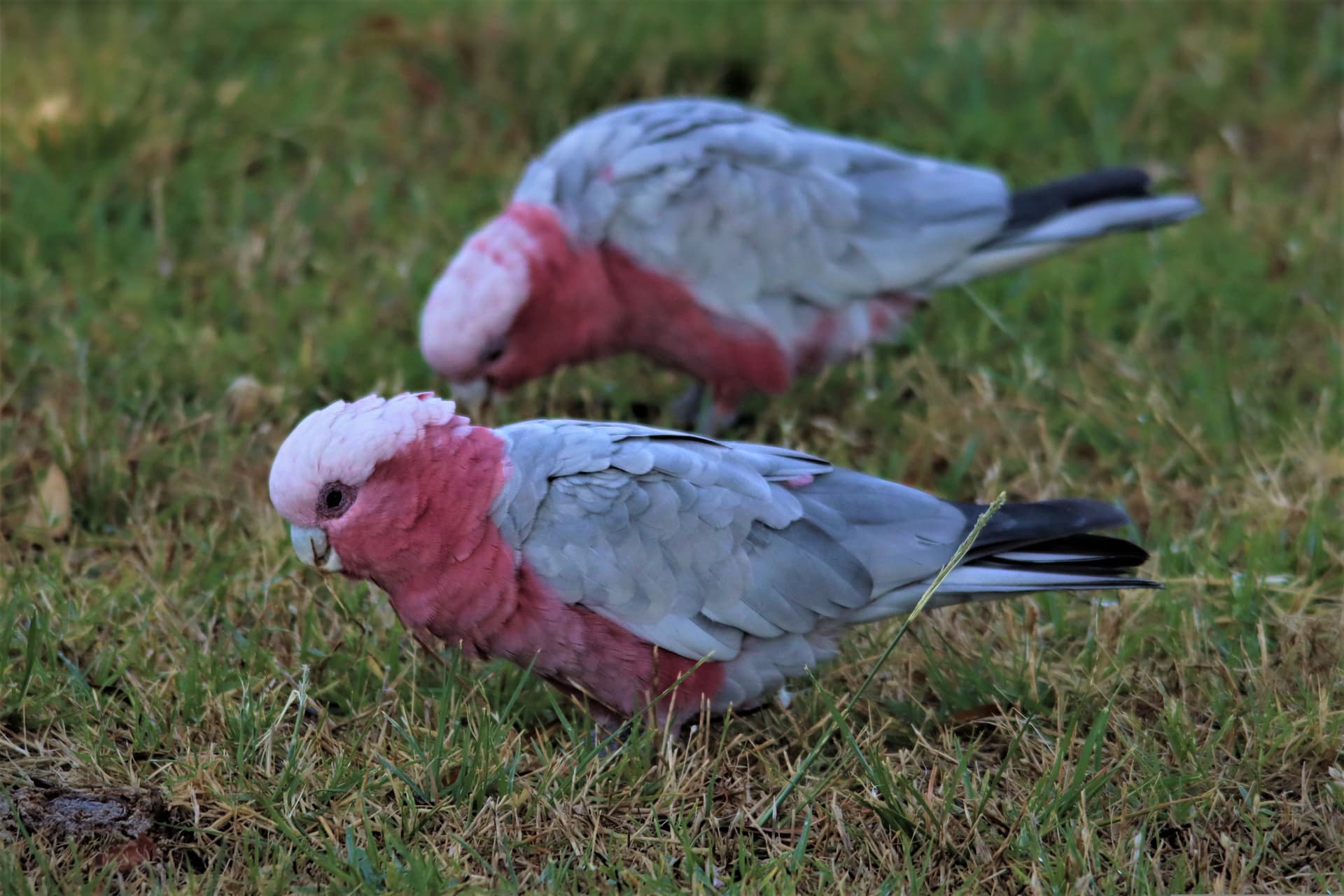
Introduction
The galah cockatoo is an incredibly lovely and adorable parrot. That pink chest, those gray wings, and all those playful little behaviors. When you see a galah for the first time, it is hard not to think, “Wow, beautiful,” or “That bird is so cute.”
But galahs are not just cute birds. They are one of the most successful parrots in the Australian wild. While many wild animals declined after human settlement and development, galahs did the opposite. They used changed environments like farmland and artificial water sources, expanded their range, and proved themselves to be an incredibly adaptable species.
At Naviary, our main breeding species are galah cockatoos and chestnut-fronted macaws, so we are constantly studying both species. Recently, we finally managed to get an original copy of Behavioural Ecology of the Galah, a book that appears again and again in the references of galah behavioral ecology papers. It was not easy to find. We even ended up digging through Australian secondhand bookstore websites for it :')
The more I study galahs, the more I fall for their very particular charm haha. So today, as a follow-up to our previous galah cockatoo introduction, I want to take a closer look at what galahs are like in the wild.
Where does the name “galah” come from?
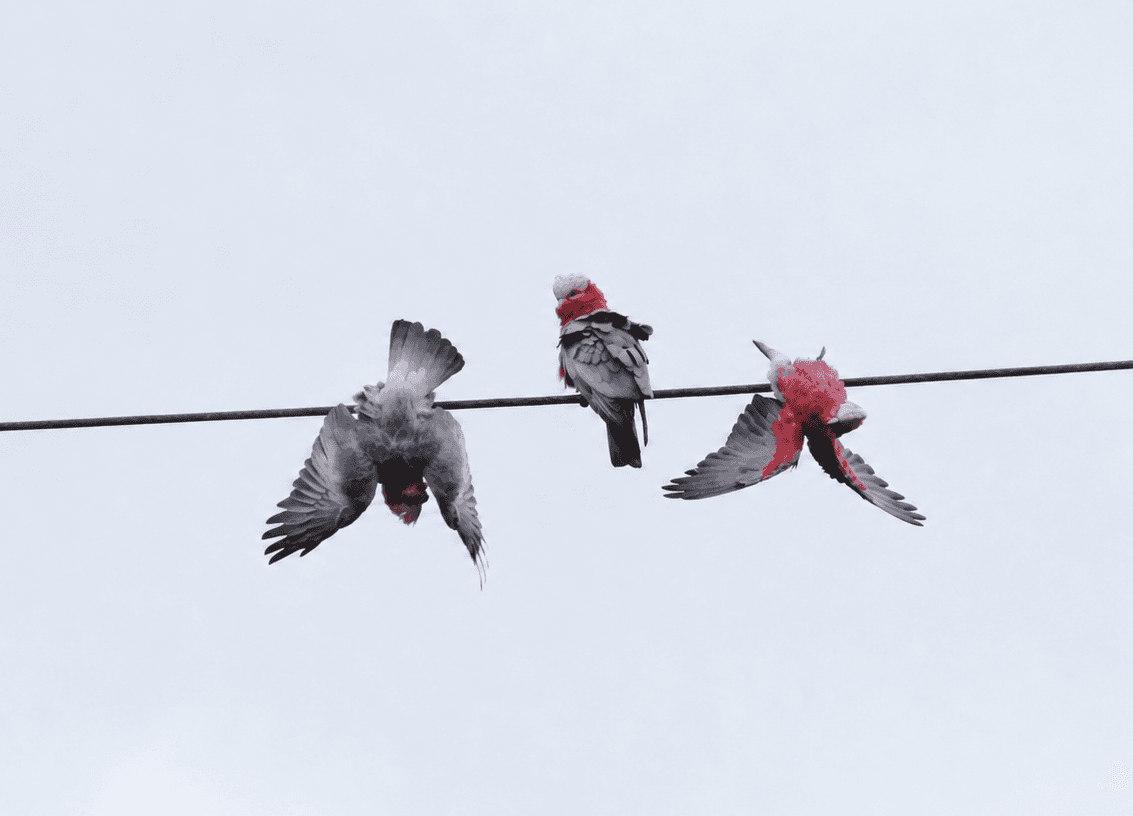
A galah that loves hanging upside down
Galah cockatoos have also long been called rose-breasted cockatoos. Some English-speaking aviculturists still use that name today.
These days, though, galah is much more widely used. The commonly accepted explanation is that the name comes from an Aboriginal Australian name for the bird.
Another fun detail is that in Australia, galah is also used as slang for a “clown” or “fool.” I like to think that may have come from the galah's lively and slightly ridiculous behaviors, like tumbling through the air or hanging upside down from a tree.
The book mentions that the name may possibly have come from a Malay word meaning “mad,” but today, the explanation that it comes from an Aboriginal Australian language seems to be more widely accepted.
The name galah really captures this bird's identity well. Pretty, playful, silly, sometimes a little foolish-looking to human eyes, but actually very intelligent and highly adaptable. That is the galah.
How did galahs become so successful?
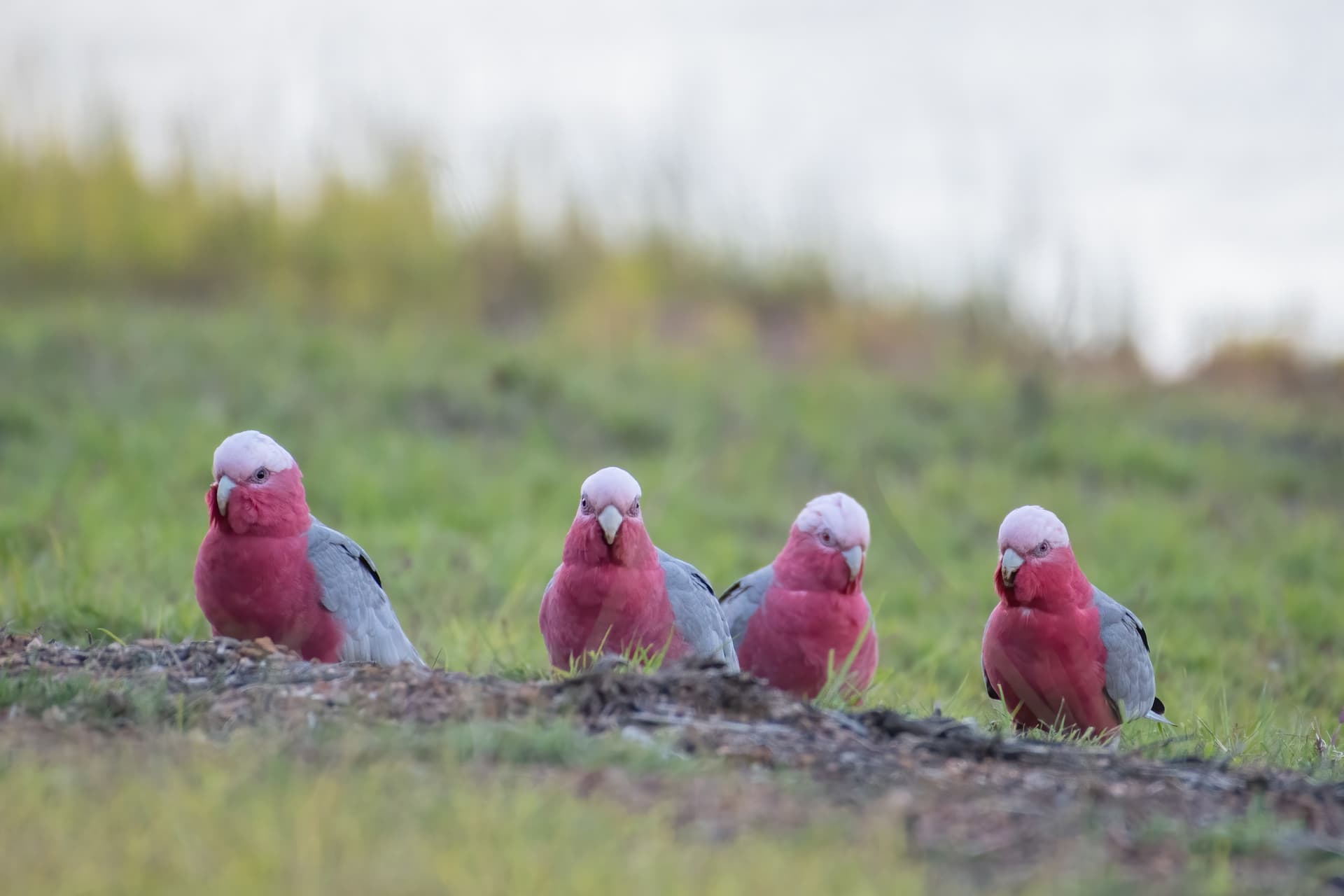
A flock of galahs looking for food
Galah cockatoos are extremely adaptable parrots. In Korea, videos of parrots wandering around Australia “like pigeons(?)” are usually known as sulphur-crested cockatoo videos, but galahs are actually even more common in many places.
They were not always spread so widely across Australia. In the past, galahs were mostly limited to inland areas with water, trees, and large tree hollows they could use as nest sites.
Human activity actually expanded their habitat.
As people raised livestock, more water sources were created for animals to drink from. As agricultural land expanded for food production, new feeding opportunities also appeared. This greatly increased the food supply available to galahs.
Galahs are excellent flyers, so they could travel long distances and quickly use the resources around these settlements. Their naturally fast adaptability played a big role too.
In other words, this is a bird that succeeded by turning human-made environmental change into opportunity.
This matters in a home environment too. Because galahs are so adaptable, they need enough stimulation. Rather than the same environment every day and a simple, monotonous cage, it is very important to provide enough foraging, feeding enrichment, and opportunities for exercise. It also helps with obesity prevention haha.
We explained more about foraging in a previous post: why foraging matters for parrots. It is worth checking out :)
Galahs are social parrots
In the wild, galahs are highly social birds that live in flocks, as most parrots do.
Also, once a breeding pair forms, they usually stay together until one of them dies. Unless they are in a period where one bird must stay in the nest while the other goes out to forage, such as during incubation or chick-rearing, they move, eat, and sleep together.
This is a very important trait to understand when thinking about galahs as companion birds.
If you keep only one galah, that bird may bond very deeply with its human caregiver. But that is not always purely a good thing. Becoming that attached to a person can also mean the bird becomes anxious when the caregiver is out of sight, or overly fixated on one specific person. During breeding season, the bird may see the caregiver as a mate and become aggressive or jealous toward other people.
That is why it is good to consider these traits carefully before adopting a galah cockatoo. Because they can form such strong bonds, adopting a pair may be better for some households, while adopting one bird may be better for others, depending on the caregiver's lifestyle.
Pairs that stay together for life
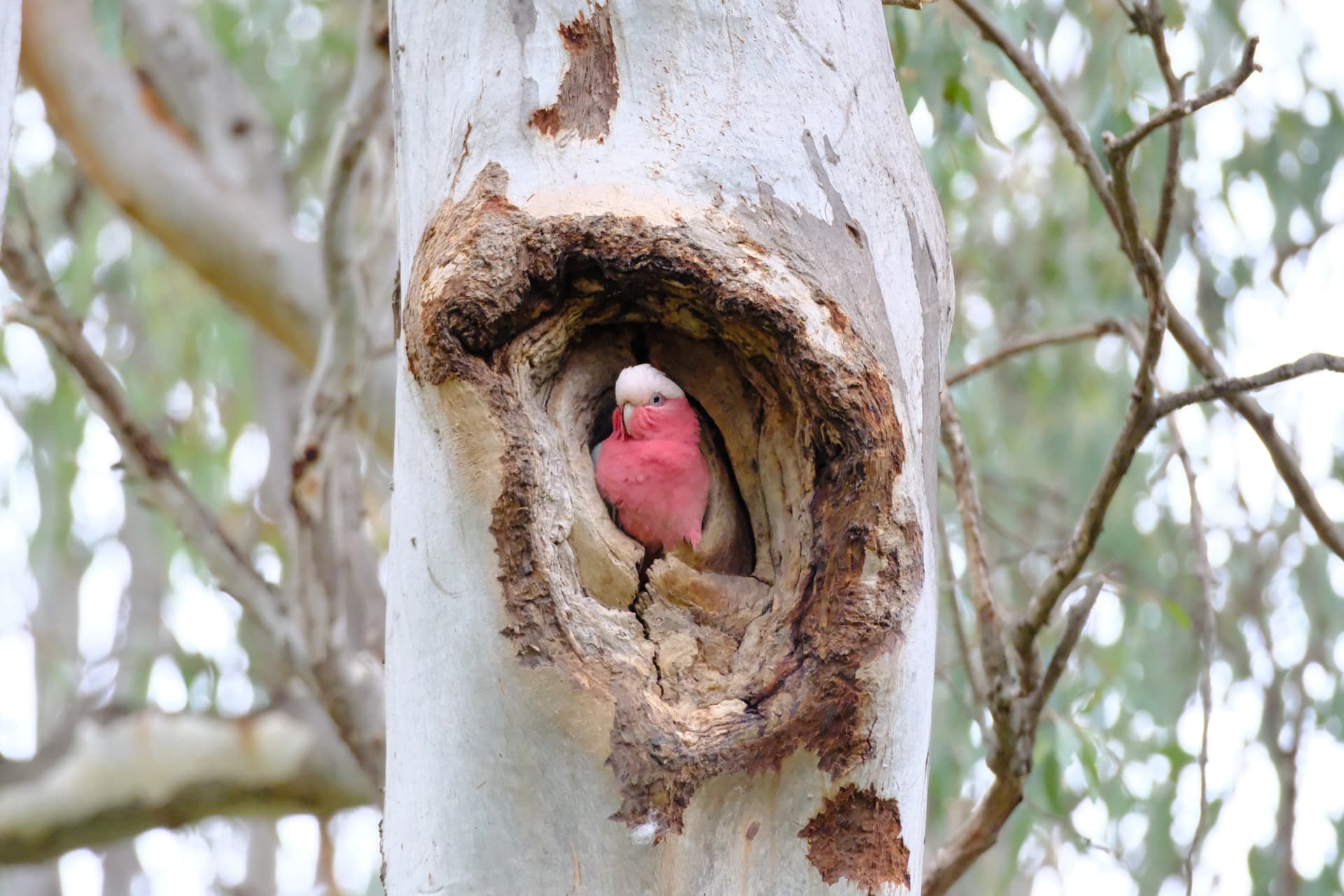
A galah guarding its nest. In the wild, they nest inside tree hollows like this.
In the parrot world, some species form pairs only during the breeding season. Eclectus parrots, known from New Guinea, can live in a system that looks somewhat polygynous during breeding season, while vasa parrots can show a polyandrous system.
Of course, compared with those examples, most parrots form monogamous pairs. Galah cockatoos also stay with their mates throughout the year.
Even though they live in flocks, breeding pairs form another unit within the flock. They often preen each other and share food. These behaviors are mostly directed toward mates, but they can also happen between parents and offspring or other close individuals.
When a companion galah cockatoo pushes its head toward the caregiver and asks for scratches, that behavior comes from this kind of social habit. You can understand it as the bird seeing the caregiver as a very close companion.
Active, playful birds
One of the galah's biggest charms is its playful personality.
They hang upside down, spread their wings, dance, shake their bodies, and show all kinds of funny behaviors. People often describe this as being very “cockatoo-like,” and galahs definitely have that cockatoo energy too.
But this is not abnormal behavior. It is play behavior that also appears in the wild. Wild galahs hang upside down from telephone wires or antennas, spread and shake their wings, and swing on lines. Both adults and juveniles do it.
By moving their bodies, using their beaks, and manipulating objects around them, galahs satisfy their need to play. In a home environment, we need to provide toys that can meet that need.
It is not just about putting in lots of toys. Good toys are ones the bird can actually chew, destroy, shake, and manipulate.
Recently, a galah was even reported drumming a coconut shell against a metal bowl to make rhythmic sounds. Researchers described it as a spontaneous behavior that appeared without training or reward. A little like a palm cockatoo.
In the wild, galah cockatoos are very fast and active birds. They may fly dozens of kilometers in a day, and they have the muscle power to reach speeds of up to around 70 km/h.
When people keep parrots, they often focus only on whether the bird “likes people.” But we also need to think from the parrot's point of view. These birds need to develop flight muscles so they can use their energy properly and manage their weight. If they lack enough muscle, they are more likely to become unhealthy.
Many companion parrots are kept with wing clipping. If a galah is clipped, the caregiver needs to make sure the bird still gets enough exercise to develop and maintain those flight muscles.
There is a common perception that galah cockatoos are prone to obesity, and in many cases, the biggest reason is that their activity needs are not being met.
So when adopting a galah, do not think only about “cage size.” Think about how much the bird can actually move each day, whether it can fly or play safely inside the home, and how much time the caregiver can spend playing with the bird every day.
Galahs are closely connected to grasses
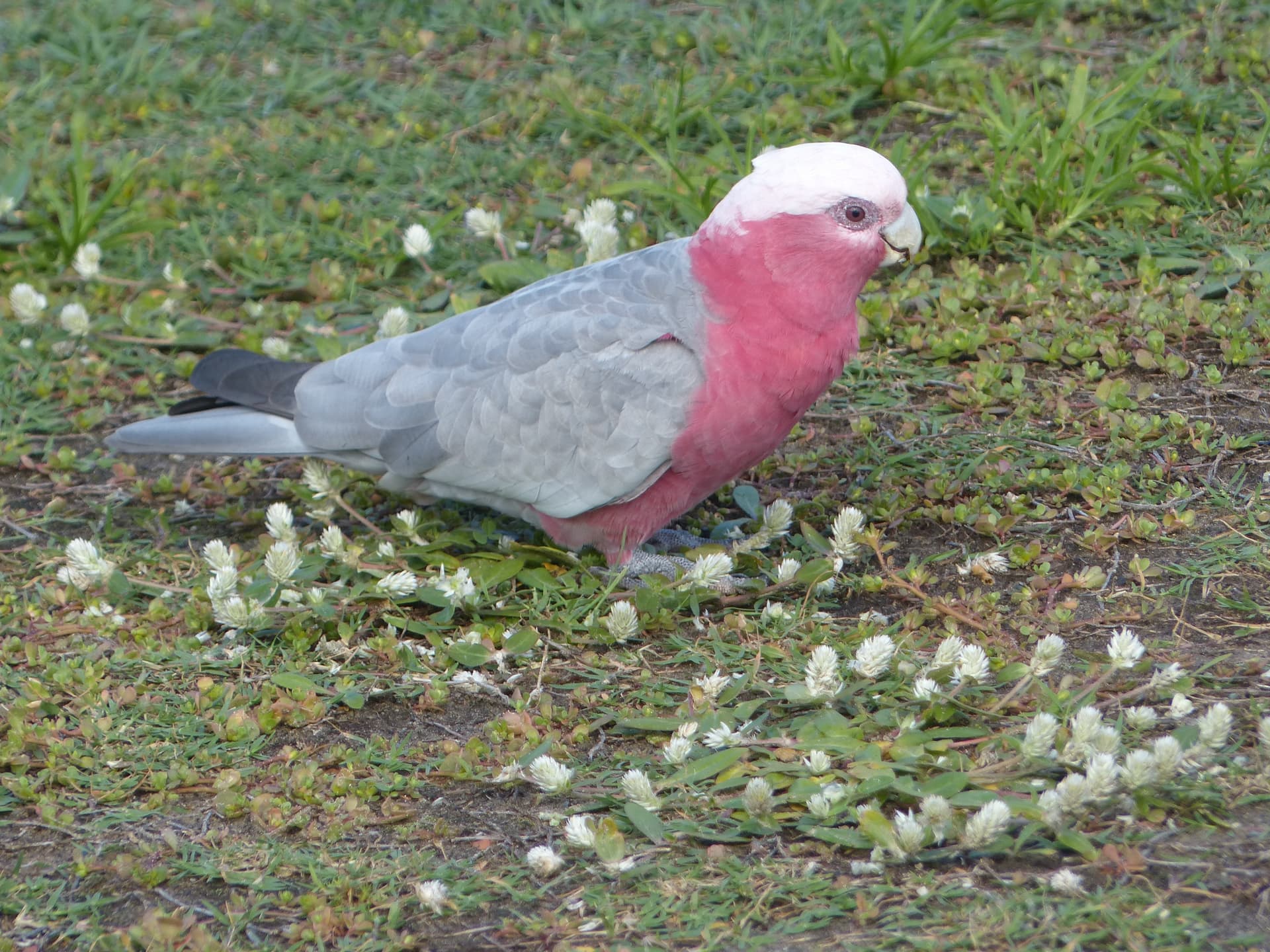
A galah looking for food. They usually forage on the ground like this.
In the wild, galah cockatoos mostly eat seeds, grains, and shoots from the ground. In agricultural areas, they also eat a lot of grains such as wheat, oats, and barley.
In Rowley's research, galahs in the wheatbelt of Western Australia used grains as a major food source for a large part of the year. Early in the breeding season, seeds of a plant called Erodium were found to be important food for chicks.
But just because wild galahs eat a lot of seeds and grains does not mean, “Then a seed-based diet should be their staple!”
They do eat that way in the wild, but personally, I recommend pellets more as the main diet. Parrots can be very selective eaters, so nutritionally balanced pellets are generally better for their health. This does not mean you should never give seeds at all. I just think they are better used as treats!
Also, instead of simply putting food in a bowl, it is better to use tools that encourage exploratory behavior and foraging, such as hay, toys, or foraging devices. This helps recreate the food-searching activity that takes up so much of a wild galah's day and satisfies that natural need at home.
Friends that handle heat well
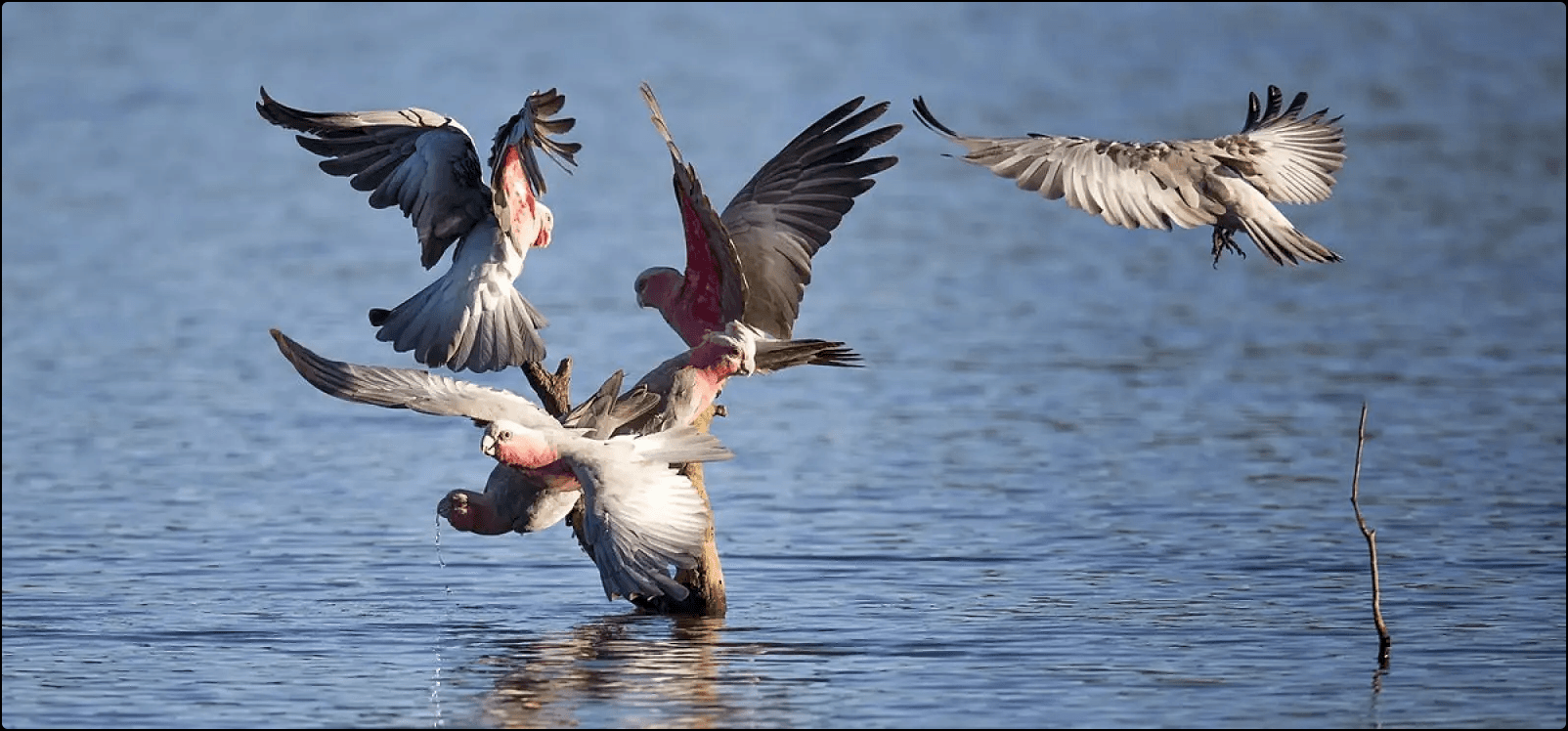
A galah drinking water.
Photo: "Galah 2" by Jim Bendon (Karratha, Australia) / CC BY-SA 2.0
Original: Wikimedia Commons
Galahs are adapted to Australia's hot and dry environments. They know how to regulate body temperature effectively in hot conditions and reduce water loss.
Studies show that galahs can release body heat effectively through evaporative cooling, which helps with thermoregulation. In simple terms, they are a species with some degree of heat tolerance.
But that is the story of wild birds. Wild galah cockatoos can move into tree shade during the hottest parts of the day, fly to water, and adjust their activity times. In a captive environment, when the caregiver is away from home, the bird usually has to stay inside a cage. Of course, if the cage provides that kind of environment, that is different, but in most homes, even a large cage is only about a meter or so. In other words, we need to pay attention not just to the cage itself, but to the environment around it.
In summer, you should provide shade from direct sunlight, good ventilation, clean water, and bathing opportunities. Thinking, “It's summer, so I'll keep the bird on the veranda! It can get sunlight there too!” is not okay.
Behaviors that wild galahs can control on their own become dependent on the caregiver in a home environment. That means they need enough attention and management from us.
They communicate with sound
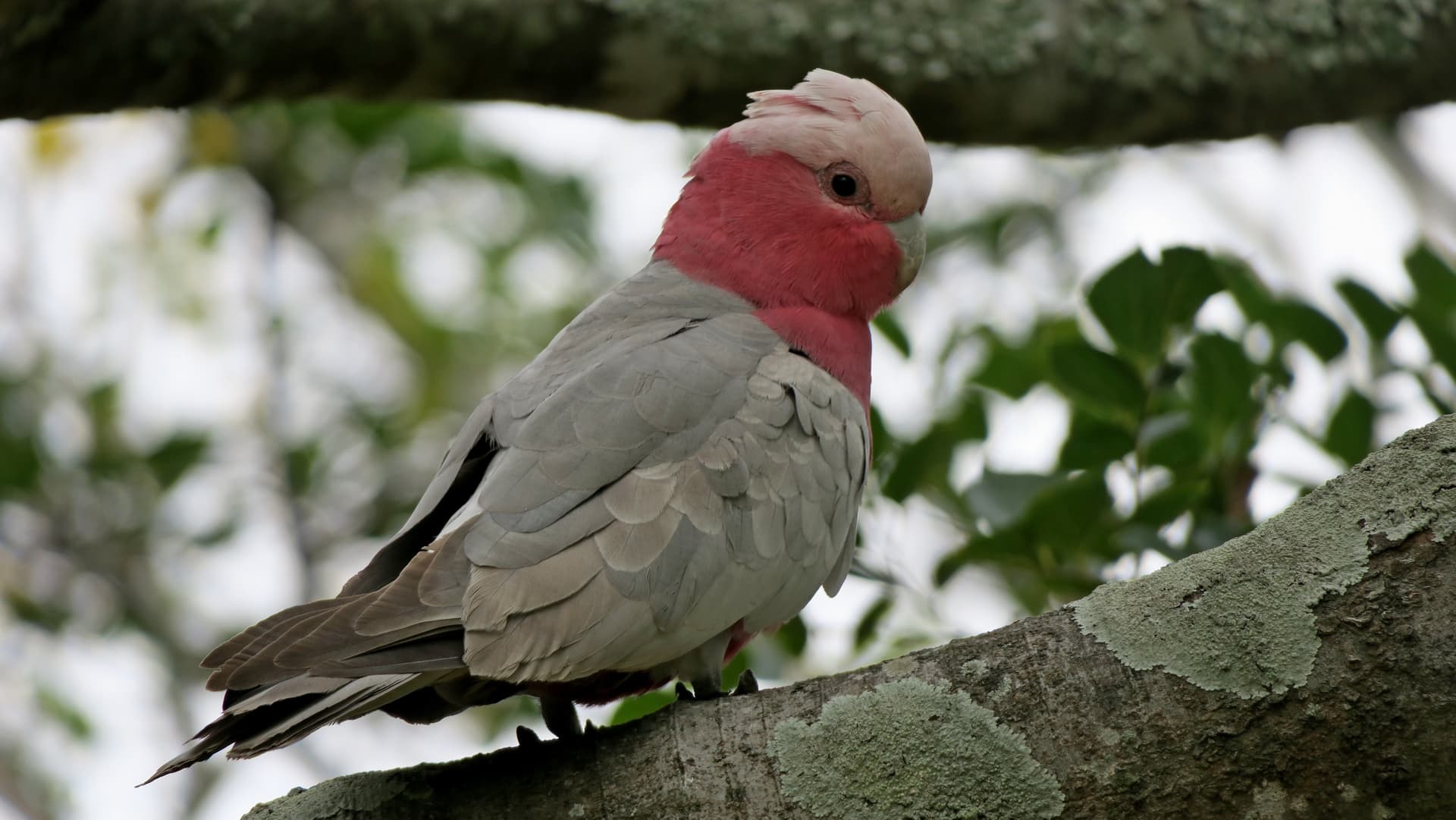
Galahs are relatively small and gentle compared with many large cockatoos. That said, they are still much larger and louder than small parrots. They are cockatoos, after all :)
In the wild, they use a variety of calls to stay in contact with the flock. They call while flying, in alarm situations, and while moving around with mates or flock members.
Ian Rowley described several types of galah vocalizations, including short contact calls, pre-departure signals, alarm calls, sharp screaming calls, and begging calls from young birds, each used in different contexts.
In a home environment, these sounds can become a burden for the caregiver. Galahs can learn words and make cute sounds, but they can also scream very loudly. Their calls can become especially loud in the morning and evening when they are calling the flock together, when the caregiver leaves or comes home, when they are excited, or when they are alert.
If you live in a studio apartment or somewhere with weak soundproofing, this is something you really need to consider.
Not every loud parrot sound is a problem behavior. Loud morning and evening calls are flock-gathering calls. Calls when the caregiver comes and goes are often attempts to call the caregiver. They are normal communication.
However, if a bird learns that loud screaming leads to a good result, that can become reinforced. For example, the bird may learn, “If I scream, I get a treat.” If the bird is left alone all day, anxiety and unmet needs can also make vocalization worse.
These issues can often be reduced to some degree through routine, appropriate training, and predictable interaction.
Things to think about before adoption
Galah cockatoos are charming birds with pink bodies, crests, gray wings (white in lutino galahs haha), and playful personalities. They have that classic cockatoo excitement and bright energy, but they are smaller than large cockatoos and have smaller beaks, so they can feel somewhat easier to manage.
That is why many people think of galahs as an “entry-level cockatoo.”
Personally, though, I think “entry-level species” is a slightly awkward phrase when it comes to parrots. Even small parrots can live for more than 10 years, and larger parrots can live 50 to 60 years. That is not really an “entry-level” commitment. They are true companion animals that share many years of life with you.
So I hope you think carefully before deciding to adopt.
Before adopting a galah, it is worth asking yourself the questions below.
Do you have time to interact with this bird every day?
Galahs have strong social needs. You cannot raise one by simply keeping it in a cage and providing food and water. They need daily time for talking, training, play, and bonding.
Because they are so active, it is also good if they can fly outside the cage to some degree. If wing clipping is unavoidable, the caregiver needs to be able to provide exercise in other ways.
Can you handle the noise?
Galahs are not small parrots like lovebirds, budgies, or conures. When they scream, they can be much louder than small parrots.
Can you accept chewing and destructive behavior?
Galahs enjoy all kinds of stimulation with their beaks. If you do not provide safe things to chew, furniture, wallpaper, cables, and molding in the home can become targets. To be honest, they can become targets even if you do provide chew toys. You need to watch carefully and redirect the bird's attention when it tries to chew something unsafe.
Can you handle powder down?
Galahs maintain their feathers with special feathers called powder down, a cockatoo trait. This is the feather dust we often simply call “powder.”
If you have sensitive airways or are sensitive to dust, this is something to consider.
Can you manage weight and diet?
Galahs are extremely active parrots in the wild. Because it is difficult to match that level of activity in a home environment, caregivers need to manage weight through diet.
It is better to avoid a diet centered on seeds and nuts, and instead manage them with a pellet-based diet and enough exercise.
Are you ready to live with this bird for life?
The lifespan of a galah cockatoo varies greatly depending on diet, exercise, and health condition, but on average, they are parrots that can live with you for decades. Adoption should not come from short-term curiosity. You need to be ready to share a whole life with them.
It is better to prepare as if you are adopting a family member.
Who is a galah best suited for?
In the end, I recommend galahs to caregivers who can accept the points above. Honestly, these are things I would recommend to anyone thinking about keeping any parrot.
- Someone who can accept a certain amount of playfulness and noise
- Someone who has time to interact with a galah every day
- Someone who wants to understand the species itself, not just adopt one because it is pretty
- Someone interested in training and behavioral enrichment, and willing to provide it
A galah is not a “pretty display bird.” It is an intelligent, active companion parrot.
Conclusion
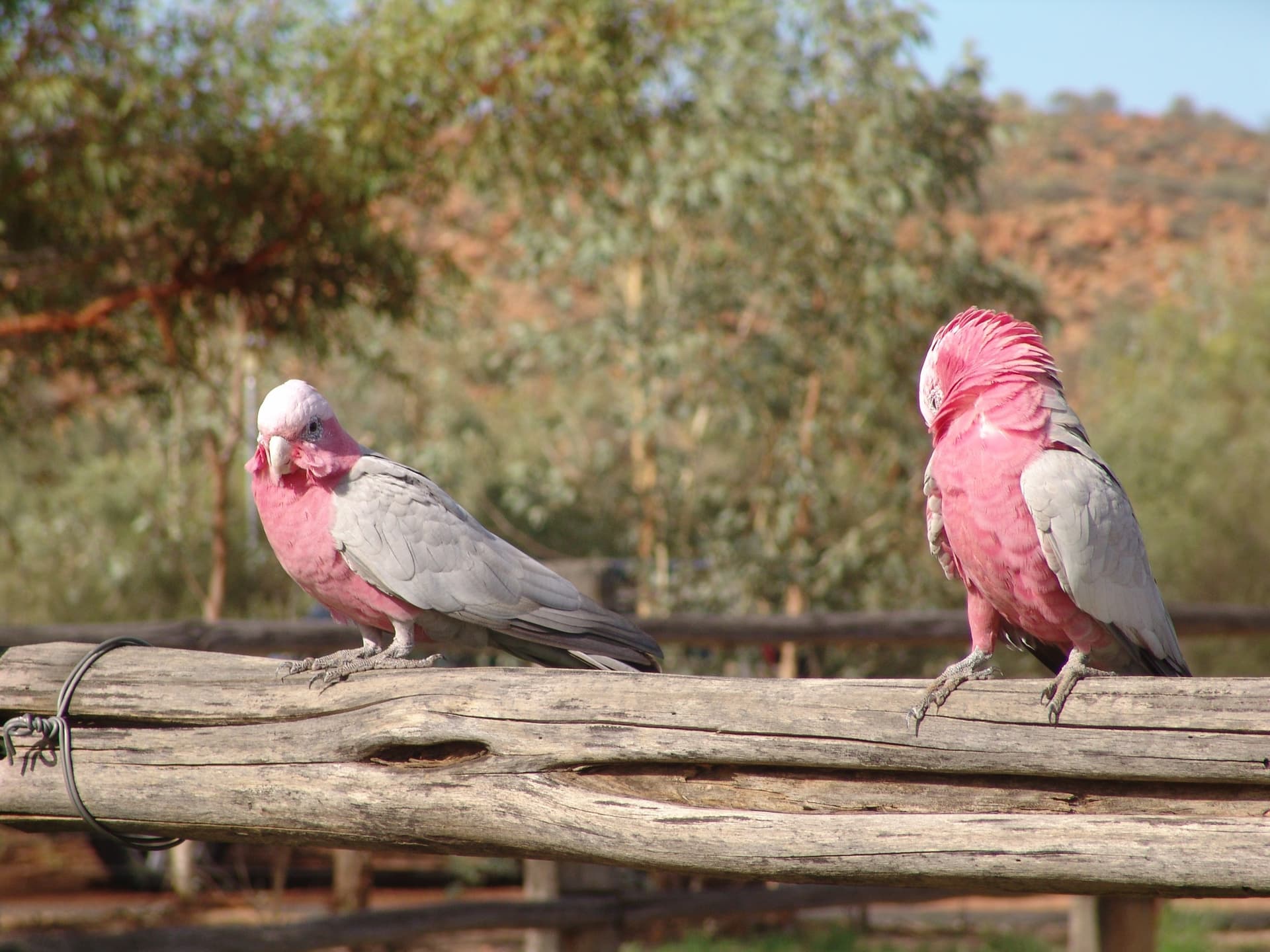
Naviary did not choose galah cockatoos as one of our main species simply because they are pretty.
Galahs have the charm of cockatoos, but compared with large cockatoos, they are smaller and more realistically suited to many Korean living environments. Their beaks are also relatively small for their body size, which can make management easier. Of course, it still hurts if they bite...
But I do not think proper galah cockatoo breeding can be done by simply following a fixed “breeding routine.”
To be a good breeder, we need to understand what kind of environment the species came from, what ecological structure it has, how it behaves in the wild, what it eats, and how to meet its needs.
That effort allows us to breed healthier birds and share more accurate information with adopters.
At Naviary, we do not want to rely only on instinct when breeding. We want to record, study, manage, understand the essence of the species, and then breed from that foundation.
While reading Behavioural Ecology of the Galah, I learned much more about galah cockatoos and saw again that they are even more social and adaptable than we often assume.
They are cute, playful, and sometimes ridiculous, but at the same time, they are tough, intelligent birds with excellent survival strategies. That makes them even more fascinating to me.
Naviary will continue studying, recording, and analyzing the birds we breed so we can understand them more deeply. If you have more questions or would like a consultation, please contact us!
References
-
Ian Rowley. Behavioural Ecology of the Galah: Eolophus roseicapillus in the Wheatbelt of Western Australia. (1990)
-
Black et al. The pre-European distribution of the Galah, Eolophus roseicapilla Vieillot: reconciling scientific, historical and ethno-linguistic evidence. (2018)
-
Engelhard et al. Rise (and demise?) of subspecies in the Galah (Eolophus roseicapilla), a widespread and abundant Australian cockatoo. (2015)
-
Dawson & Fisher. Observations on the temperature regulation and water economy of the Galah (Cacatua roseicapilla). (1982)
-
Kimberley Jane Pryor. Fledging of Galahs nesting in a suburban environment near Newcastle, NSW. (2018)
-
Bamford & Bamford. Spontaneous drumming behaviour in a Galah. (2026)