
 Parrot Blog
Understanding Parrots: Why They're Completely Different from Dogs and Cats
Dogs and cats are each a single species, but parrots are made up of around 400 different wild bird species. Here's why macaws, cockatoos, and other parrots can differ so much in diet, behavior, and ecology.
 Naviary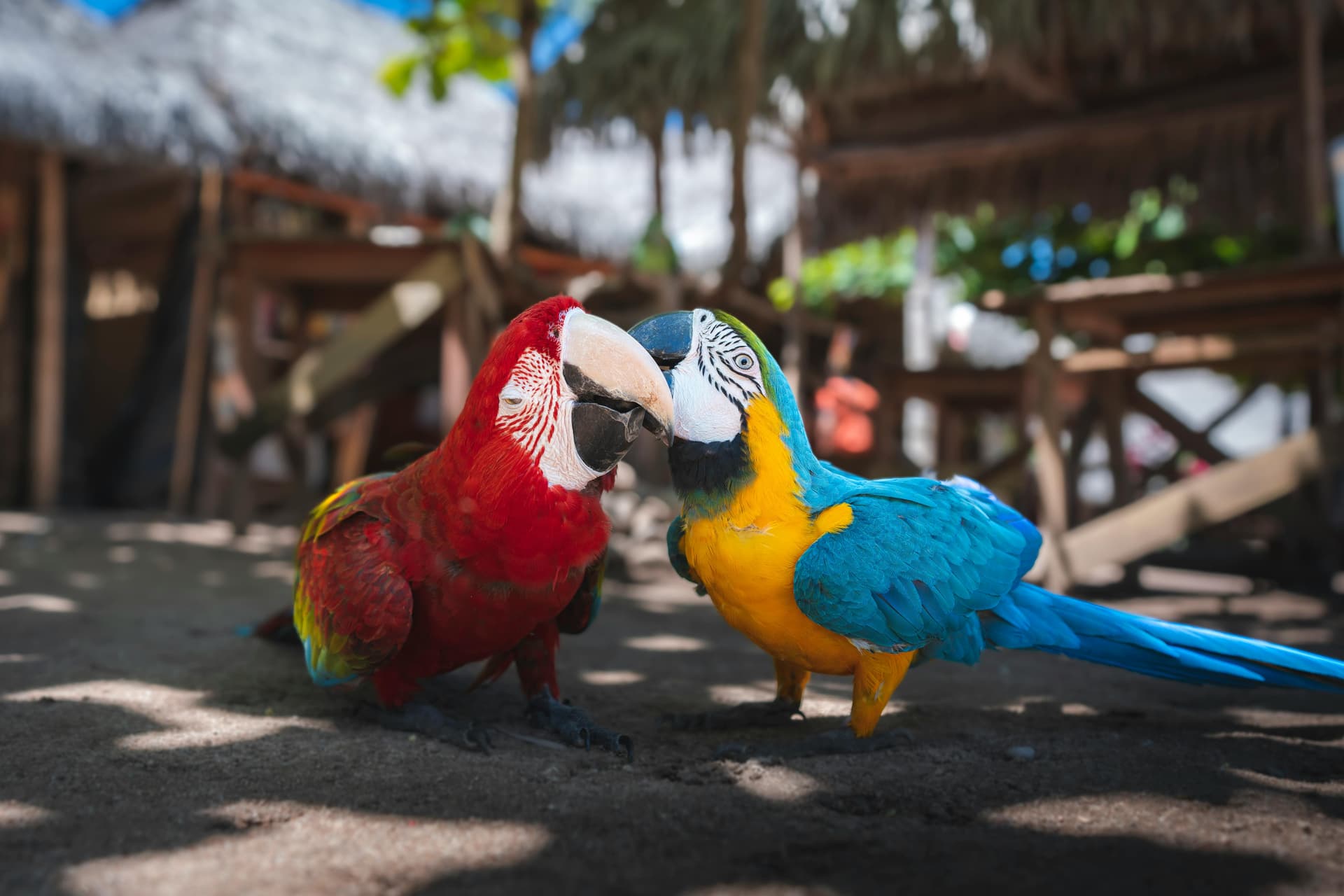
Introduction
Personally, I think we need to be a little careful when we talk about parrots as if they were one single thing.
"A parrot should be like this."
If you keep parrots, you hear that kind of sentence pretty often. Actually... probably all the time lol.
With dogs and cats, which are the companion animals most people are familiar with, you do see a lot of shared behavioral patterns.
There are things we casually call dog-like behavior or cat-like behavior, and those labels mostly make sense.
But parrots are a little different.
Dogs and Cats Are a Single Species
Dogs were domesticated from wolves. Wolves are classified as Canis lupus, and dogs as Canis lupus familiaris. They may be labeled slightly differently, but biologically they are treated as the same species.
Of course, dogs changed during domestication. Traits related to starch digestion, facial muscles, and social behavior all shifted over time.
But at the core, they are still incredibly close genetically. In fact, the differences between dog breeds are smaller than many people assume.
Cats were also domesticated, from African wildcats. Compared with dogs, domestic cats went through even fewer genetic changes.
And both dogs and cats have more than ten thousand years of domestication history behind them.
Their appearances may vary a lot, but their diets, behavior, and ecology do not differ all that dramatically.
Parrots Are Different
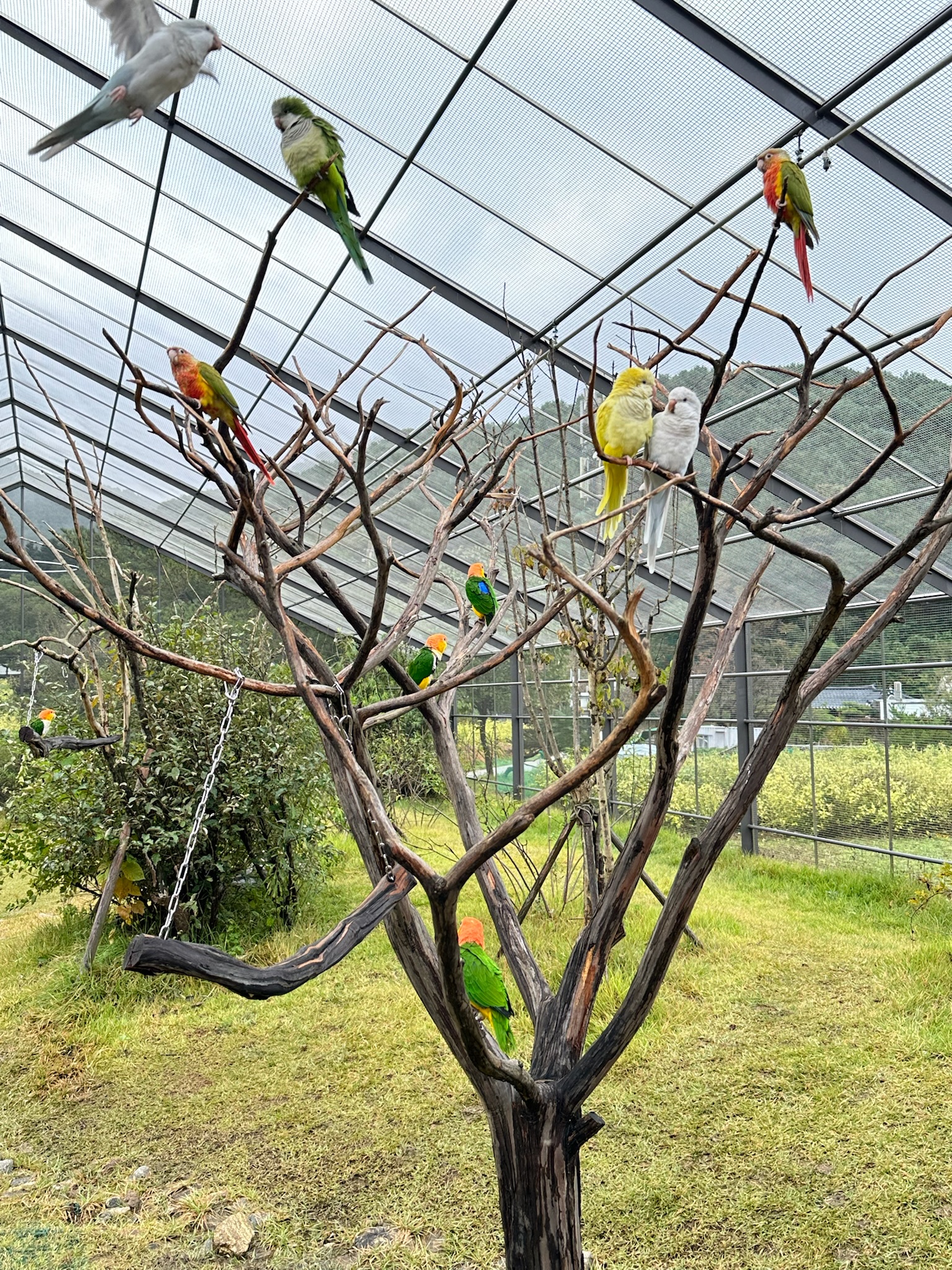
Parrots, on the other hand, are not truly domesticated animals. Domestication has started to happen in modern times to some extent, but for now they are still much closer to tamed wild animals.
And unlike dogs or cats, parrots are not different breeds of the same animal. They are biologically different species.
They are even divided into three major superfamilies. If you count extinct groups, that number becomes six.
-
Psittacoidea This includes many of the parrots people think of first, such as macaws, African greys, and lovebirds.
-
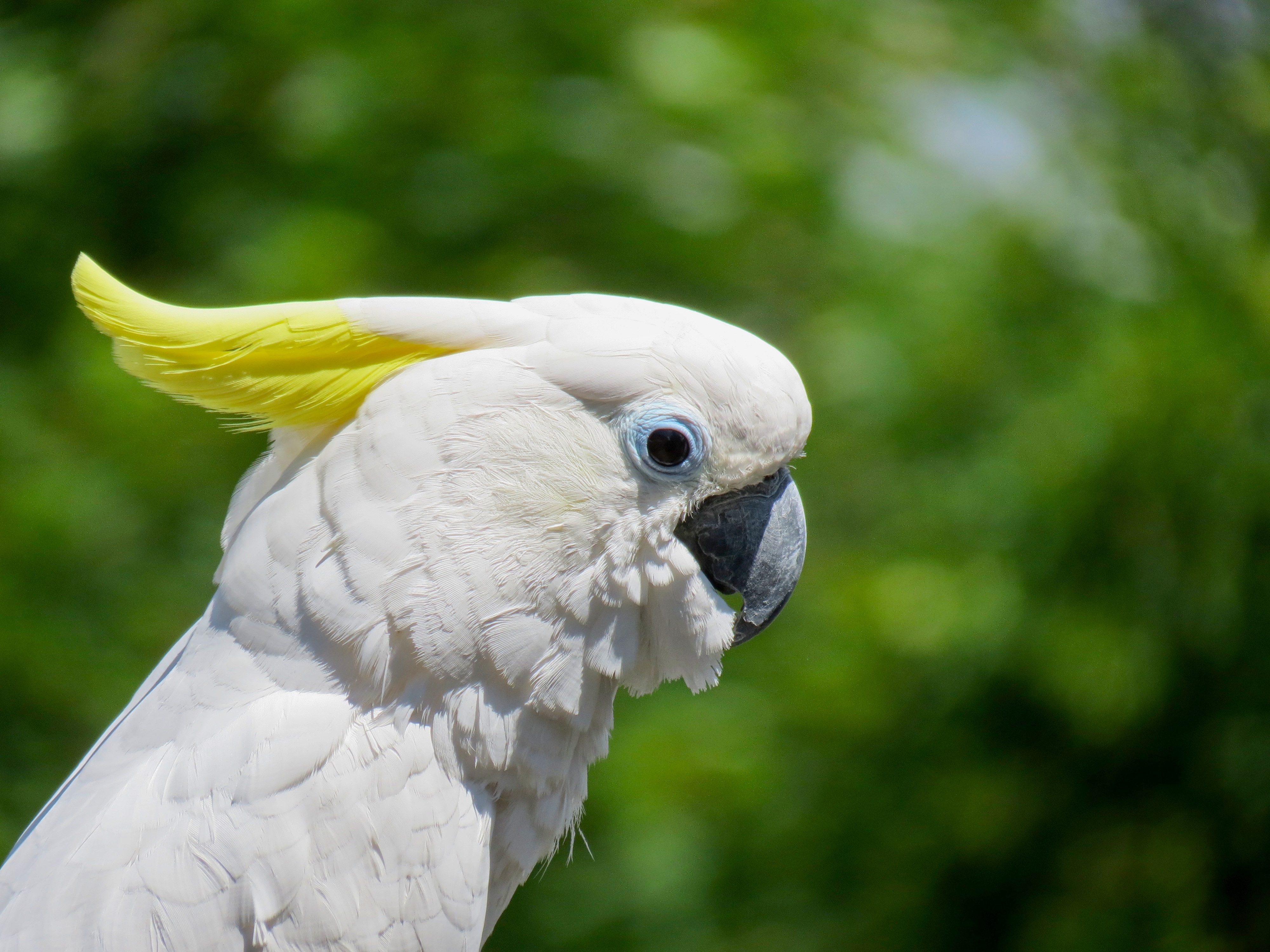
Cacatuoidea This is the cockatoo group, including cockatoos, corellas, and cockatiels with their distinctive crests.
-
Strigopoidea This includes New Zealand parrots like the kakapo and kea, which are quite different from the parrots most people are used to.
So when we say "parrot," we're actually grouping together a lot of very different birds. There are more than 400 parrot species, and that means their diets, behavior, and ecology can all vary significantly.
So What Does That Change?
Now that we know they are biologically different, the next question is obvious: what does that change in real life?
1. Their Diets Are Different
South American parrots like macaws eat seeds, nuts, fruit, flowers, and more in the wild. They also eat clay. If you've read my earlier post, this part will make even more sense: Chestnut-fronted Macaw Nutrition Guide: From Wild Diet to Practical Feeding
Meanwhile, Australian species like the Galah Cockatoo are a bit different. They eat a lot of grass seeds, sprouts, and other plant material.
There are also lorikeets in Australia. Unlike many parrots whose core diet revolves around seeds, lorikeets mainly feed on nectar and pollen. That is why their tongues are shaped so differently.
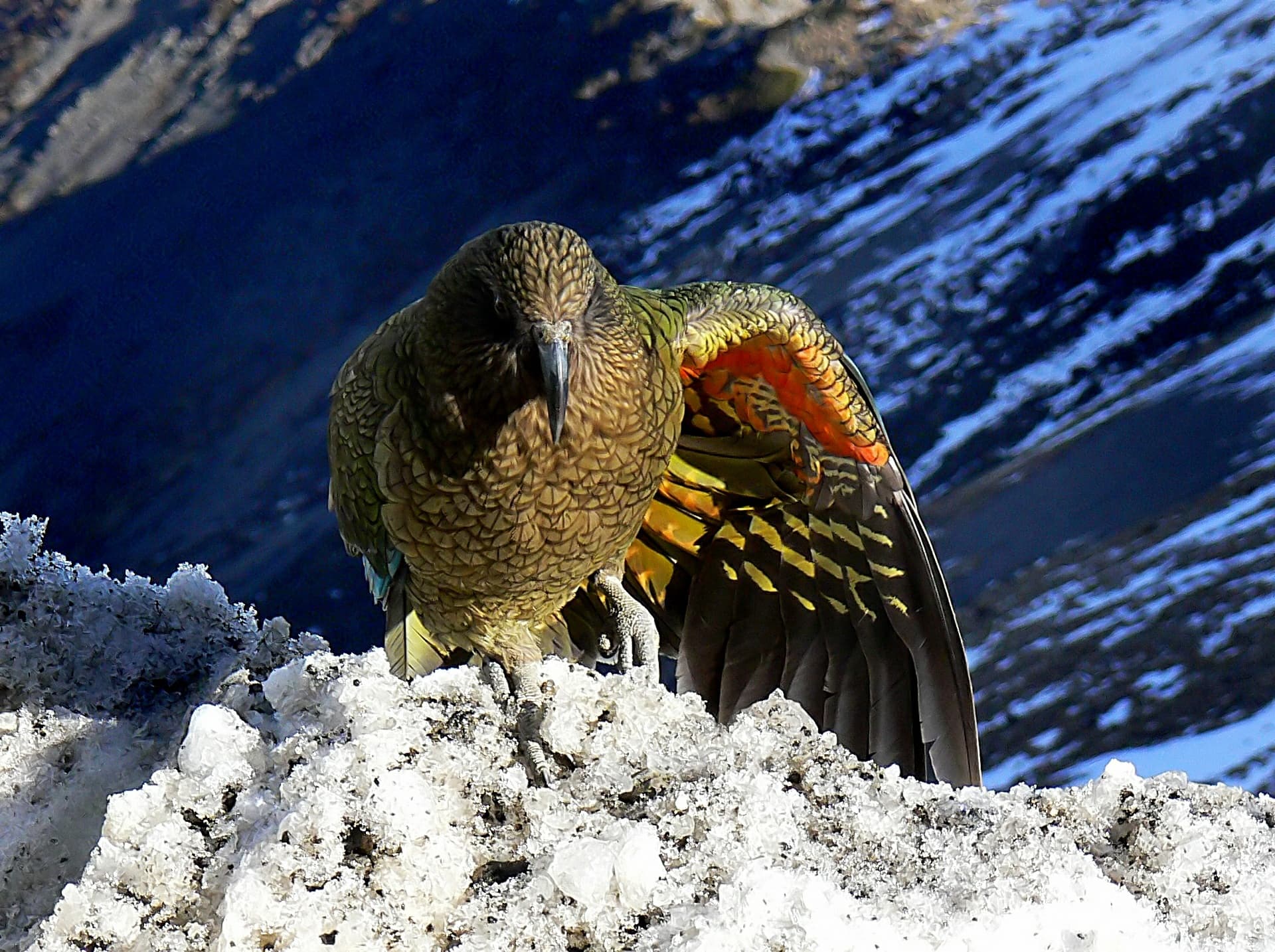
And then there is the kea. Keas are parrots from New Zealand, and they are very different from most other parrots. They are omnivorous. Other parrots may occasionally eat animal matter when necessary, but keas are much more active about it.
There have even been observations of keas climbing onto sheep and feeding on them. Video of a kea feeding behavior (and yes, if you listen closely, they really do sound like they're saying "kea~" lol)
2. Their Behavior Is Different
Of course, every individual bird is different, but species-level tendencies are real too.
Cockatoos tend to love human interaction and usually have a ton of energy. They also have a very strong personality, so that energy can get pretty unique sometimes haha.
Cockatoos can also become surprisingly aggressive during breeding season. This tendency often becomes more obvious in captivity, so it is something people need to take seriously. Galah Cockatoos are generally one of the gentler examples, though.
Amazon parrots, on the other hand, are often more independent than cockatoos or macaws. They may enjoy bonding with people, but many of them do not always want to be attached to you every second.
Of course, with enough love and proper care, many parrots become deeply attached to humans. Still, species tendencies matter, and they are worth understanding before adoption.
Conclusion
The "parrot" most people imagine is really just one small part of the bigger picture. Parrots are not just another version of dogs or cats. They are a completely different kind of companion animal.
Even people who already live with parrots, people thinking about adoption, and honestly even me sometimes, can forget that.
Parrots adapt to our lives so naturally that they can start to feel like ordinary pets.
Maybe that is part of what makes them so lovable.
But that is also exactly why we need to work harder to understand them.
If we take the time to think more carefully about parrots, learn what each species actually needs, and make adoption decisions with enough knowledge, both parrots and their humans can live much happier lives.
At Naviary, we are working as both parrot guardians and breeders to build environments where parrots can live better, healthier lives.
If you have more questions about parrots, feel free to contact us any time!